

Call us now
08045803621
Call us now
08045803621

Price:
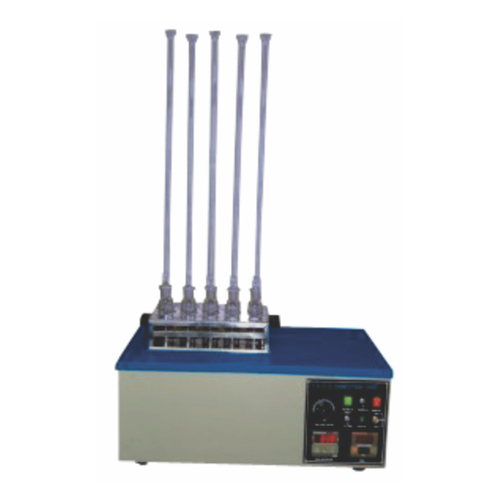
Equipment Materials : Mild Steel Body with Powder Coating & Stainless Steel Heating Block
Equipment Type : Laboratory Instrument
Application : Nitrogen Estimation in Pharmaceutical, Food, Environmental, Agricultural & Chemical Laboratories
Features : Combined digestion & distillation, Efficient heating, Fume duct, Sample holder, Safety shield
Shape : Rectangular
Material : Stainless Steel, Glass, Mild Steel
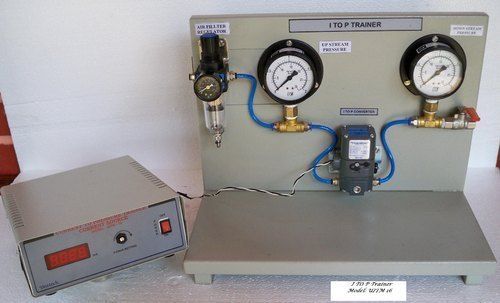
Equipment Materials : Powder Coated MS Sheet, SS Fittings
Equipment Type : Measurement Trainer
Application : Instrumentation Lab, Current to Pressure Calibration
Features : Safe operation with builtin overvoltage protection, easy troubleshooting, schematic front panel
Shape : Rectangular
Material : Mild Steel Body
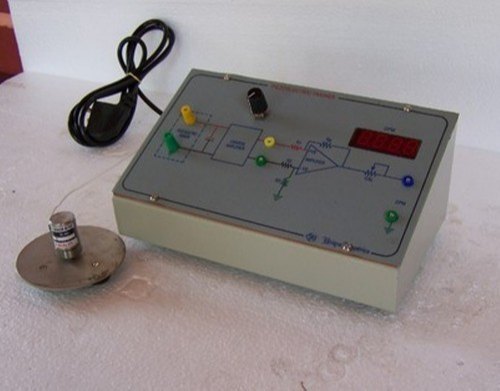
Equipment Materials : High grade ABS plastic panel with powder coated mild steel enclosure
Equipment Type : Educational Laboratory Trainer
Application : Laboratory/Engineering College instrumentation experiments
Features : Plugin modules, onboard power supply, piezo transducer included, inbuilt signal generator
Shape : Rectangular
Material : ABS panel and mild steel case
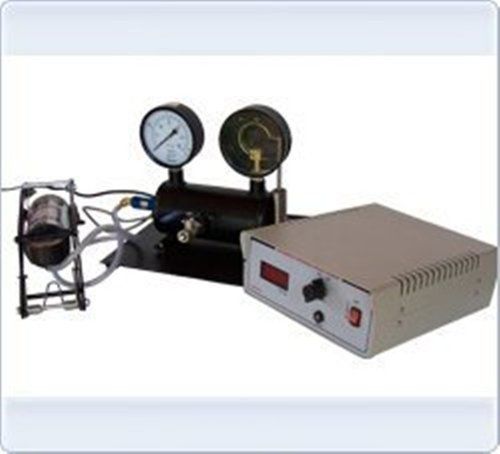
Equipment Materials : Premium Metal and Acrylic Construction
Equipment Type : Instrumentation Trainer
Application : Educational Demonstration of Pressure Measurement
Features : Pressure Indicating Needle, Easily Observable Mechanism, Robust Frame
Shape : Rectangular
Material : Aluminum Panel with Acrylic Front



 Send Inquiry


 Send Inquiry


 English
 Spanish
 French
 German
 Italian
 Chinese (Simplified)
 Japanese
 Korean
 Arabic
 Portuguese