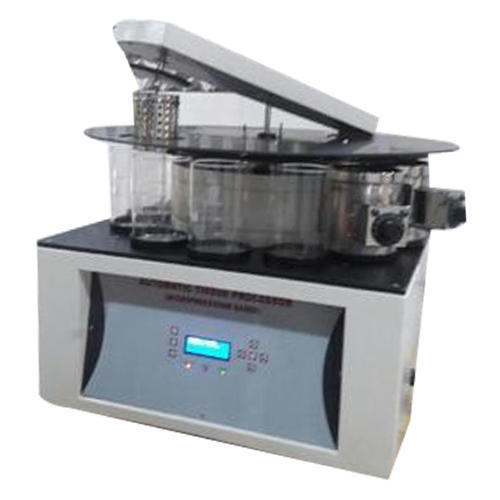
About Automatic Tissue Processor Unit
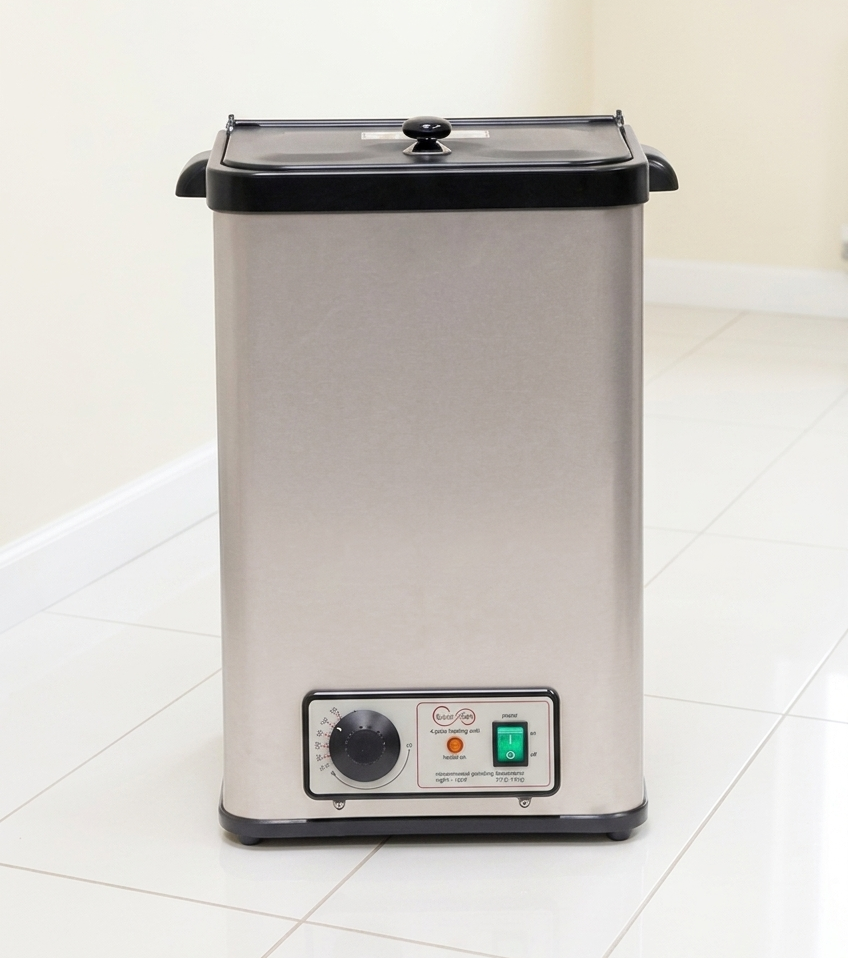
Automatic Tissue Processor Unit
| Brand |
Micro Technologies |
| Display |
Digital |
| Capacity |
More Than Fifty Cassettes Simultaneous Processing |
| Number of Containers |
10 Regent |
| Programmable Delay Action |
1 hour to 99 hours |
| Automation Grade |
Automatic
|
Advanced Programmability for Flexible Lab ProcessingWith programmable cycle durations of up to 24 hours and an internal 24-hour timer, this tissue processor offers full automation or manual override as required. Laboratories benefit from precise digital microprocessor management, ensuring reliable operation and highly reproducible processing outcomes for all standard tissue cassettes.
Robust Construction & User-Focused DesignConstructed from stainless steel and powder-coated metal, the unit resists corrosion and supports effortless cleaning. The heat-resistant borosilicate glass jars withstand temperatures up to 80C, while polypropylene jar lids and lockable covers enhance durability and safety in demanding laboratory settings.
FAQ's of Automatic Tissue Processor Unit:
Q: How does the programmable cycle function work on the Automatic Tissue Processor Unit?
A: The programmable cycle allows users to set tissue processing runtimes up to 24 hours via a digital microprocessor control. You can customize times for each processing stage, ensuring optimal results for different sample requirements.
Q: What safety features are integrated into the tissue processor during operation?
A: This unit is equipped with over-temperature and dry run protection, safety interlocks, a lockable lid, and audible alarms. These features collectively prevent overheating, accidental exposure, and operational errors, ensuring safe tissue processing.
Q: When and how should the basket be loaded to achieve maximum capacity?
A: The basket is designed to hold up to 70 tissue cassettes per cycle. For best results, load the cassettes evenly before starting a cycle, ensuring they do not overlap or block each other to enable uniform reagent exposure.
Q: Where can the tissue processor be conveniently placed within a laboratory setting?
A: Thanks to its compact dimensions and mobility castor wheels, the unit can be easily positioned on laboratory benches or moved as necessary. Ensure it is placed near a reliable power supply and in an area with up to 80% relative humidity.
Q: What materials and finishes contribute to the unit's durability and ease of maintenance?
A: The unit is made from corrosion-resistant stainless steel and powder-coated metal, complemented by easy-clean surfaces. Heat-resistant borosilicate glass jars and polypropylene lids offer added chemical and thermal resilience, enhancing overall durability.
Q: How does automatic and manual operation benefit laboratory workflow?
A: Automatic mode streamlines tissue processing with minimal intervention, increasing throughput and consistency. Manual mode offers additional flexibility for specialized protocols or troubleshooting, empowering skilled technicians with hands-on control when needed.






 Send Inquiry


 Send Inquiry


 English
 Spanish
 French
 German
 Italian
 Chinese (Simplified)
 Japanese
 Korean
 Arabic
 Portuguese