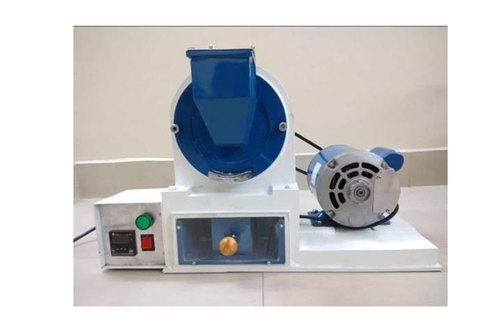
About Rice Polisher Machine
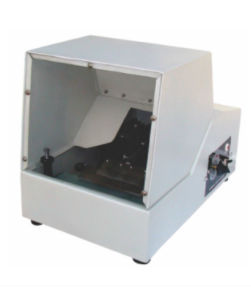
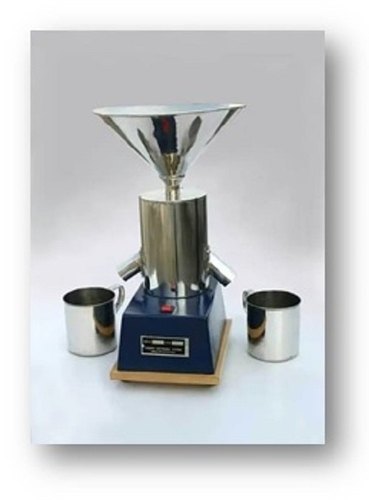
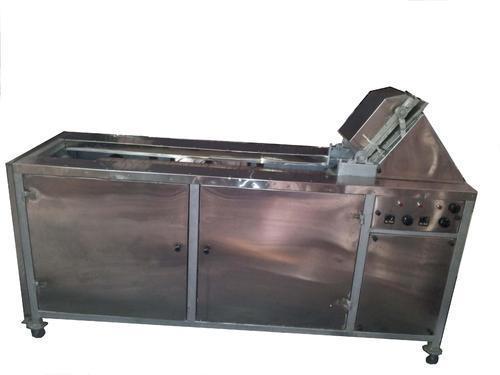
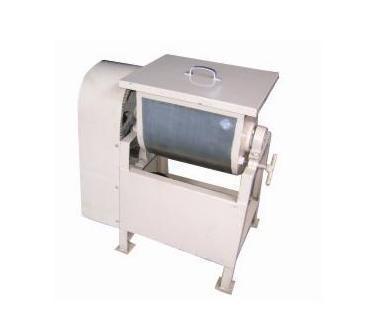
Rice Polisher Machine
| Brand |
Micro Technologies |
| Voltage |
230 V |
| Frequency |
50 Hz |
| Sample Capacity |
800g Approx. |
| Power Required |
0.50 H.P. |
| Phase |
Single Phase |
| Dimensions |
600x400x400 mm (LxBxH) |
Efficient Rice Polishing for Industrial ApplicationsThis automatic rice polisher machine is engineered to meet the rigorous demands of rice mills and industrial processors. From its adjustable speed settings to its uniform output, it promises high throughput with reliable consistency. The stainless-steel rollers and powder-coated finish provide durability, while minimized noise and dust emissions help maintain safe, clean operations.
User-Friendly Features & Easy MaintenanceWith an integrated feeding hopper and floor-mounted design, installing and operating the machine is simple. Maintenance is streamlined through front and side opening panels, offering direct access to internal components. Additionally, spare parts are readily available, ensuring minimized downtime for ongoing industrial usage.
FAQs of Rice Polisher Machine:
Q: How does the rice polisher machine achieve a uniform shine on rice grains?
A: The machine utilizes abrasion-resistant special alloy rollers and advanced polishing technology to ensure each rice grain is polished evenly. Adjustable speed controls let operators fine-tune the process for the best uniform shine, matching different rice varieties and processing requirements.
Q: What is the process for maintaining the rice polisher machine?
A: Maintenance is straightforward due to front and side opening panels, which provide convenient access to internal parts. Routine tasks include cleaning, checking for wear, and replacing spare partsall of which are readily available from the manufacturer or distributor.
Q: When should this machine be used in the rice processing workflow?
A: The rice polisher machine is typically used after rice has been milled and de-husked, serving as the final step to enhance the grains appearance and quality before packaging or export.
Q: Where is the dust collected and how is dust emission minimized?
A: An attached dust collector captures particles generated during polishing. The machines sealed body design further minimizes dust emission, ensuring a safer and cleaner working environment.
Q: What benefits does the advanced control system provide?
A: The integrated PLC or relay control system allows operators to precisely adjust speed and other settings, optimizing performance for various rice batches and ensuring consistent quality output with minimal manual intervention.
Q: How does the integrated feeding hopper improve usage efficiency?
A: The built-in hopper streamlines continuous feeding of rice into the machine, reducing spillage and manual handling. This leads to smoother operation and consistent processing rates throughout the shift.






 Send Inquiry


 Send Inquiry


 English
 Spanish
 French
 German
 Italian
 Chinese (Simplified)
 Japanese
 Korean
 Arabic
 Portuguese