About SEED WHEAT GRADER
SEED WHEAT GRADER
|
Voltage
|
Threephase
|
|
Capacity
|
100kgapprox...perhour
|
|
MaterialGrade
|
Mildsteel
|
|
AutomaticGrade
|
Semi-Automatic
|
|
Design
|
Standard
|
|
Make
|
MICROTECH
|
|
ModelNo.
|
MT-2008
|
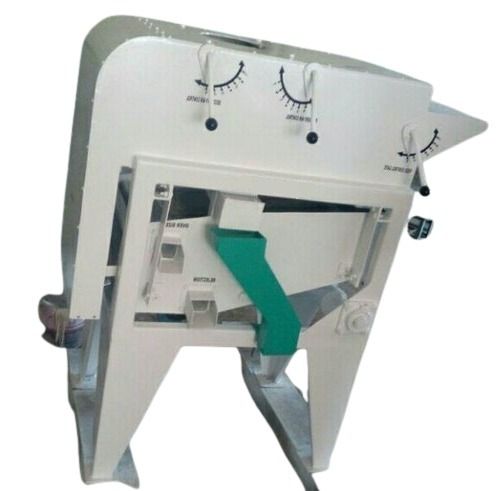
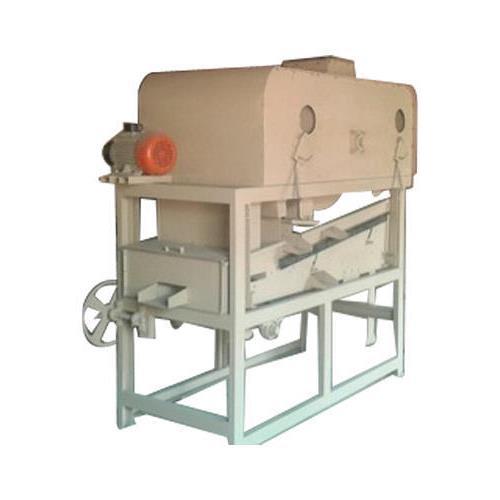
Precision Seed GradingExperience superior grading accuracy with oscillating stainless steel screens and blower system, delivering consistent separation and cleaning for wheat, pulses, and other cereals. Choose from fixed or portable models to suit your facility layout and workflow needs.
Efficient, Bulk ProcessingHandle large quantities of grains effortlessly with a high-capacity input hopper and rapid grading throughput up to 5 tons per hour. Designed for bulk feeding, it enhances productivity in seed cleaning and grading operations.
Clean Operation & SafetyMaintain a dust-free work environment with integrated aspiration dust collection, paired with overload and jam protection systems for operational safety. Enjoy easy maintenance and rust-resistant paint finish for long-lasting use.
FAQ's of SEED WHEAT GRADER:
Q: How does the Seed Wheat Grader ensure efficient cleaning and grading of grains?
A: The grader utilizes 3 to 4 oscillating stainless steel screens combined with a blower arrangement to separate and clean seeds with over 98% efficiency, handling bulk input from its large hopper for consistent output.
Q: What types of crops and seeds can be processed with this grader machine?
A: This machine is suitable for cleaning and grading wheat, mustard, paddy, pulses, grains, and other cereals, making it ideal for distribution, export, manufacturing, and trading operations.
Q: When is it necessary to use the integrated overload and jam protection system?
A: The overload and jam protection system automatically activates whenever excessive grain input or blockages are detected, safeguarding the machine and maintaining optimal operation without interruption.
Q: Where can the Seed Wheat Grader be installed and used effectively?
A: With options for fixed installation or portability (wheel option), the grader can be deployed in warehouses, processing plants, farms, or commercial grading facilities across India or global export markets.
Q: What is the process of grading seeds in this machine?
A: Bulk seed input is fed into the large hopper, after which the oscillating screens and blower separate impurities and grade the seeds by size, with integrated dust aspiration capturing fine particles throughout the process.
Q: How is the maintenance of this grader machine simplified for users?
A: Thanks to its user-friendly design, minimal maintenance is needed. The stainless steel screens resist corrosion, and the paint-coated mild steel body provides lasting rust protection and easy cleaning.
Q: What benefits does the Seed Wheat Grader provide for commercial grain processing?
A: Benefits include high cleaning efficiency, low power consumption, adjustable speed, high output capacity (3-5 tons/hour), precise grading, reduced labor, and improved quality of seeds for subsequent processing or sale.








 Send Inquiry


 Send Inquiry


 English
 Spanish
 French
 German
 Italian
 Chinese (Simplified)
 Japanese
 Korean
 Arabic
 Portuguese