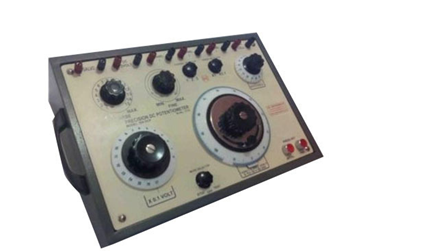
About CALIBRATION OF VOLTMETER BY USING DC CROMPTON POTENTIOMETER
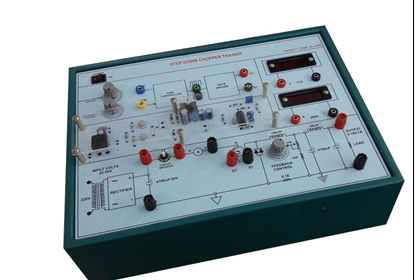
The CALIBRATION OF VOLTMETER BY USING DC CROMPTON POTENTIOMETER is a top-ranking laboratory instrument, notably popular among electrical professionals for its magnificent precision and reliable performance. Highlighted by a soaring measurement accuracy of 0.05% and a calibration range of 0 to 2 volts, this device ensures access to the highest calibration standards. Featuring a dust-protected panel, high-grade Bakelite construction, fine graduation scale, and superior manganin wire, this portable, table-top equipment is ideal for precise experiments. It operates silently and is available through leading manufacturers, suppliers, exporters, and traders across India.
Clear Directions, Versatile Usage & Application Places
For the CALIBRATION OF VOLTMETER BY USING DC CROMPTON POTENTIOMETER, simply connect the supplied wires as per the instruction manual and power via an external DC source (6V-12V). This equipment is prominently used in electrical laboratories, R&D centers, and calibration facilities, supporting precise voltmeter calibration and accurate measurement tasks. Its robust and portable build makes it suitable for consistent use in both educational and industrial environments, fostering reliable results for quality assurance and training purposes.
Supply Ability, Payment Terms, and Domestic Market Reach
Our CALIBRATION OF VOLTMETER BY USING DC CROMPTON POTENTIOMETER enjoys consistent supply ability, meeting the high demand with efficient packaging and secure shipment. Customers can anticipate timely arrival and favorable rates tailored for bulk or individual acquisition. Flexible payment terms enhance accessibility for both institutional and commercial buyers. The main domestic market covers all major Indian cities, with active distribution networks supporting seamless order fulfillment for suppliers, traders, and educational institutions.
FAQ's of CALIBRATION OF VOLTMETER BY USING DC CROMPTON POTENTIOMETER:
Q: How is the DC Crompton Potentiometer used to calibrate a voltmeter?
A: To calibrate a voltmeter, connect the device's terminals as outlined in the instruction manual, adjust the potentiometer, and compare the voltmeter reading to the precise voltage output measured by the Crompton Potentiometer.
Q: What is the primary application of this calibration equipment?
A: This equipment is primarily used for electrical calibration and precise laboratory experiments where accurate measurement and verification of voltmeter readings are crucial.
Q: Where can the DC Crompton Potentiometer be used?
A: It is suitable for use in educational laboratories, research and development centers, calibration service facilities, and industrial quality control labs requiring precise instrumentation.
Q: What are the benefits of using this specific potentiometer model?
A: The magnificent accuracy, fine graduation scale, silent operation, and robust, portable construction ensure reliable, repeatable results and long-term durability in any laboratory setting.
Q: What accessories are included with this product?
A: The package includes high-quality connecting wires and a detailed instruction manual to facilitate the setup and calibration process for users.






 Send Inquiry


 Send Inquiry


 English
 Spanish
 French
 German
 Italian
 Chinese (Simplified)
 Japanese
 Korean
 Arabic
 Portuguese