About Coil Friction Apparatus
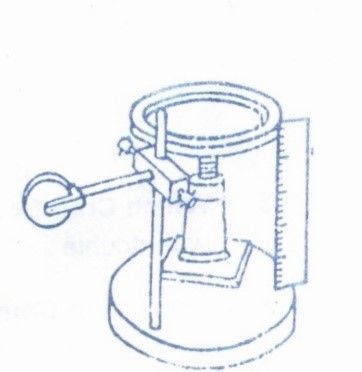
CoilFriction Apparatus
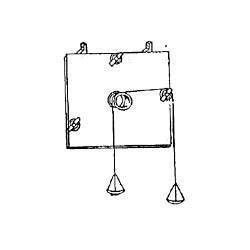
It consistsof aluminum drum and three frictionless pulleys mounted on wooden board 60x75cm in size. The pulleys can befixed to give a lap of 1/4 or 3/4 full circumferences of the drum, completewith cord and two scale pans, but without weights.
Purpose and ApplicationSpecifically crafted for indoor laboratory environments, the Coil Friction Apparatus is an essential educational device in physics or engineering labs. It enables hands-on exploration of frictional forces acting on coiled components, supporting both classroom demonstrations and experimental analysis. Its robust construction and precise measurements make it suitable for instructional and research purposes.
Design and ConstructionMeasuring approximately 400 x 250 x 200 mm and weighing around 6 kg, the apparatus incorporates a powder-coated mild steel frame and a stainless steel coil. The anti-skid feet offer secure mounting on any tabletop, while the bench-top form factor provides portability. Each set includes engraved graduated scales, coils of various diameters, and sturdy packaging for safe transit.
Technology and AccuracyOperating on purely mechanical principles, the device uses hand-operated controls to deliver reliable, repeatable results. Scale graduations are precisely etched for accurate data collection, and the measurement error remains within 0.5%. The apparatus's corrosion-resistant surfaces ensure durability in demanding laboratory environments, and all components are easy to assemble for quick setup.
FAQ's of Coil Friction Apparatus:
Q: How is the Coil Friction Apparatus used in laboratory experiments?
A: The Coil Friction Apparatus is used by securing it on a tabletop, selecting an appropriate coil diameter, applying weights up to 2 kg, and manually measuring the frictional resistance as the coil interacts with the apparatus. Data is then read from the engraved measurement scale for analysis.
Q: What types of experiments can be conducted with this apparatus?
A: This apparatus allows users to study the effects of frictional resistance in coiled materials, compare different coil diameters, assess impacts of load changes, and demonstrate fundamental physical principles related to friction for educational or research purposes.
Q: When should this equipment be utilized in an academic setting?
A: The Coil Friction Apparatus is ideal during physics and engineering lab sessions focusing on experiments related to friction, materials science, or mechanical resistance. It can also be used for demonstrations, student projects, or practical examinations.
Q: Where is this apparatus typically installed and used?
A: Designed for indoor use, it is commonly mounted on laboratory workbenches or tables in educational institutes, universities, and research labs. Its portable build allows easy relocation between classrooms or lab facilities.
Q: What are the main benefits of using a bench-top coil friction apparatus?
A: Key benefits include accurate measurement of frictional forces with minimal error, versatile experiment setups using various coil sizes, durable corrosion-resistant construction, and its compliance with recognized IS and ASTM educational standards.
Q: How is the apparatus maintained for optimal performance?
A: Routine maintenance involves keeping the apparatus clean, ensuring the mechanical controls are free of debris, checking the engraved scale for clarity, and storing it in its robust carton when not in use to prevent damage or corrosion.
Q: What accessories and features are included with the apparatus?
A: The standard package includes multiple coil diameters (typically between 30-60 mm), a precision weight set, an engraved measurement scale, and a pulley system, all designed to facilitate a range of frictional experiments. Its corrosion resistance and easy assembly further enhance its practicality.






 Send Inquiry


 Send Inquiry


 English
 Spanish
 French
 German
 Italian
 Chinese (Simplified)
 Japanese
 Korean
 Arabic
 Portuguese