

Call us now
08045803621
Call us now
08045803621

Price:
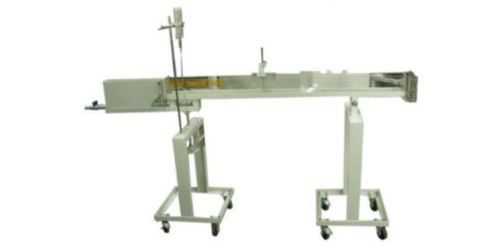
Features : Transparent channel for clear observation, adjustable flow rate, removable sediment beds, corrosion resistant
Function : Demonstrates principles of sediment transport, flow visualization, and bed formation
Technology : Hydraulic Engineering Demonstration
Material : Transparent Acrylic and Stainless Steel
Automation Grade : Manual and SemiAutomatic
Power Source : Electrical
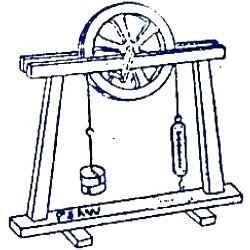
Features : High Precision, User Friendly, Low Maintenance, Durable
Function : Measures and tests braking force and performance
Technology : Electromagnetic Brake System
Material : High Grade Steel and Cast Iron
Automation Grade : Automatic
Power Source : Electric

Features : Powder coated surface, high durability, rustresistant, easy setup, supports multiple experimental configurations
Function : To demonstrate and analyze the bending stress and deflection in beams under applied loads
Technology : Conventional Mechanical
Material : Mild Steel and Stainless Steel (major load elements)
Automation Grade : Manual
Power Source : Not Required/Manual
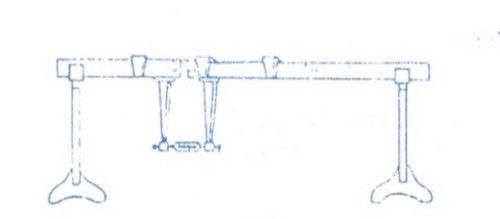
Features : Durable construction, Easy to use, Corrosion resistant finish
Function : To study and verify simply supported beam bending moment
Technology : Mechanical
Material : Mild Steel (MS), Stainless Steel (SS)
Automation Grade : Manual
Power Source : Manual



 Send Inquiry


 Send Inquiry


 English
 Spanish
 French
 German
 Italian
 Chinese (Simplified)
 Japanese
 Korean
 Arabic
 Portuguese