

Call us now
08045803621
Call us now
08045803621
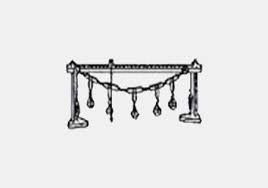

Price:

Type : Educational Laboratory Apparatus
Features : Removable supports, Graduated scale for accurate measurement, Rigid frame, Easy load application
Function : To study and measure the deflection of beams under various loads
Accuracy : 1 mm
Accessories Type : Weights, Dial Gauge, Scale, Knife Edges, Hanger
Machine Type : Bench Top, Portable
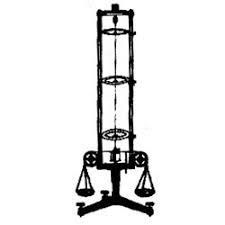
Type : Vertical Type
Features : Sturdy Construction, EasytoRead Graduations, Corrosion Resistant, Stable Vertical Support
Function : Determines the tortuosity of iron and similar substances by measuring gas or fluid passage
Accuracy : High Precision Measurement (upto 0.01 mm)
Accessories Type : Rubber Tubing, Clamps, Flow Rate Regulators, Stand Assembly
Machine Type : Manual Vertical Apparatus
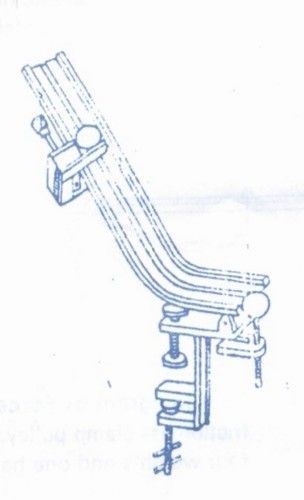
Type : Physics Laboratory Apparatus
Features : Sturdy Construction, Easy Assembly, Precise Measurement Scale
Function : Demonstrates Law of Conservation of Mass in TwoDimensional Collisions
Accuracy : 0.5 mm
Accessories Type : Collision Balls, Platform, Rulers
Machine Type : Manual Apparatus
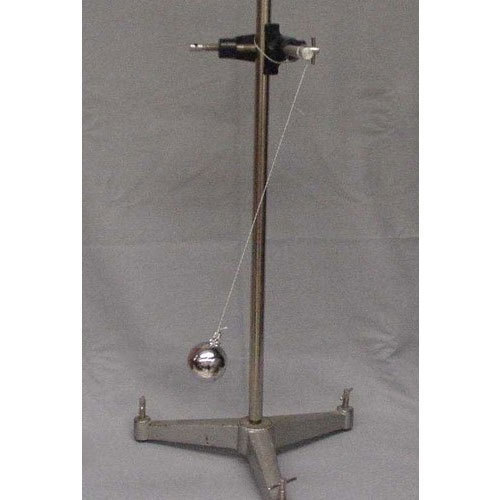
Type : Physics Laboratory Equipment
Features : Sturdy base, corrosionresistant finish, precise length markings, durable components
Function : To demonstrate laws of simple harmonic motion and measure acceleration due to gravity (g).
Accuracy : High precision for educational purposes
Accessories Type : Brass Bob, Rigid Stand, Suspension String
Machine Type : NonElectrical Manual Equipment



 Send Inquiry


 Send Inquiry


 English
 Spanish
 French
 German
 Italian
 Chinese (Simplified)
 Japanese
 Korean
 Arabic
 Portuguese